No description
| arduino | ||
| external | ||
| lib | ||
| resource | ||
| src/se/hal | ||
| test/se/hal | ||
| .classpath | ||
| .gitignore | ||
| .gitmodules | ||
| .project | ||
| build.xml | ||
| hal-default.db | ||
| hal.conf.example | ||
| Hal.iml | ||
| Jenkinsfile | ||
| LICENSE.txt | ||
| logging.properties | ||
| README.md | ||
| run.sh | ||
| screenshot_01.jpg | ||
| screenshot_02.jpg | ||
| screenshot_03.jpg | ||
| screenshot_04.jpg | ||


Hal
Hal is a home automation hub with sensor statistics with the functionality to share that data between friends. It is developed to be very extensible so future Sensors and other input devices can be supported.
Currently supported devices:
- Network Scanner, IP scanner to detect devices on local network
- NUT, Linux UPS daemon
- Tellstick, Supported devices:
- NexaSelfLearning
- Oregon0x1A2D
- Raspberry Pi, GPIO connected sensors
The project is currently in alpha state, and as such things will change and break.
Screenshots
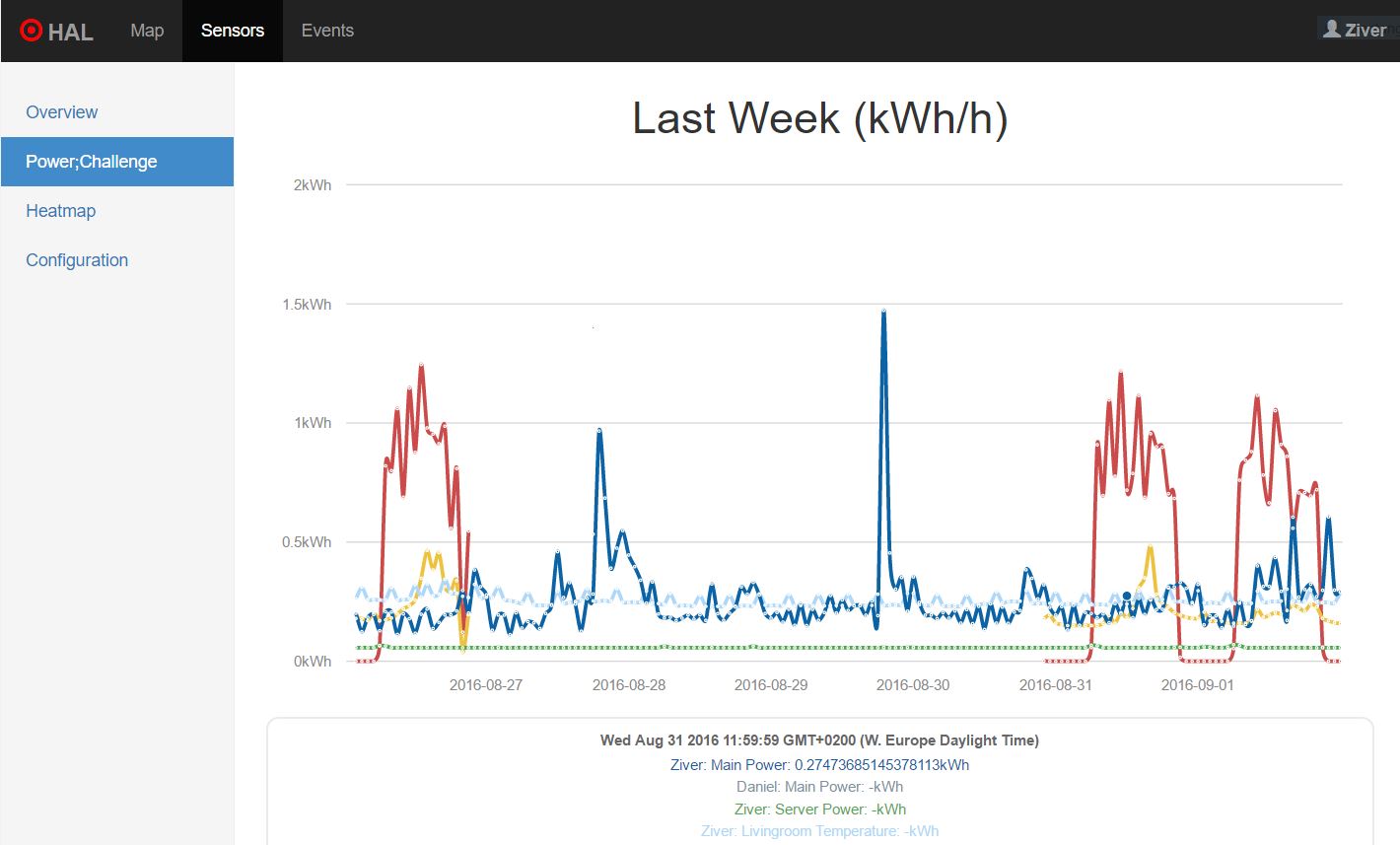
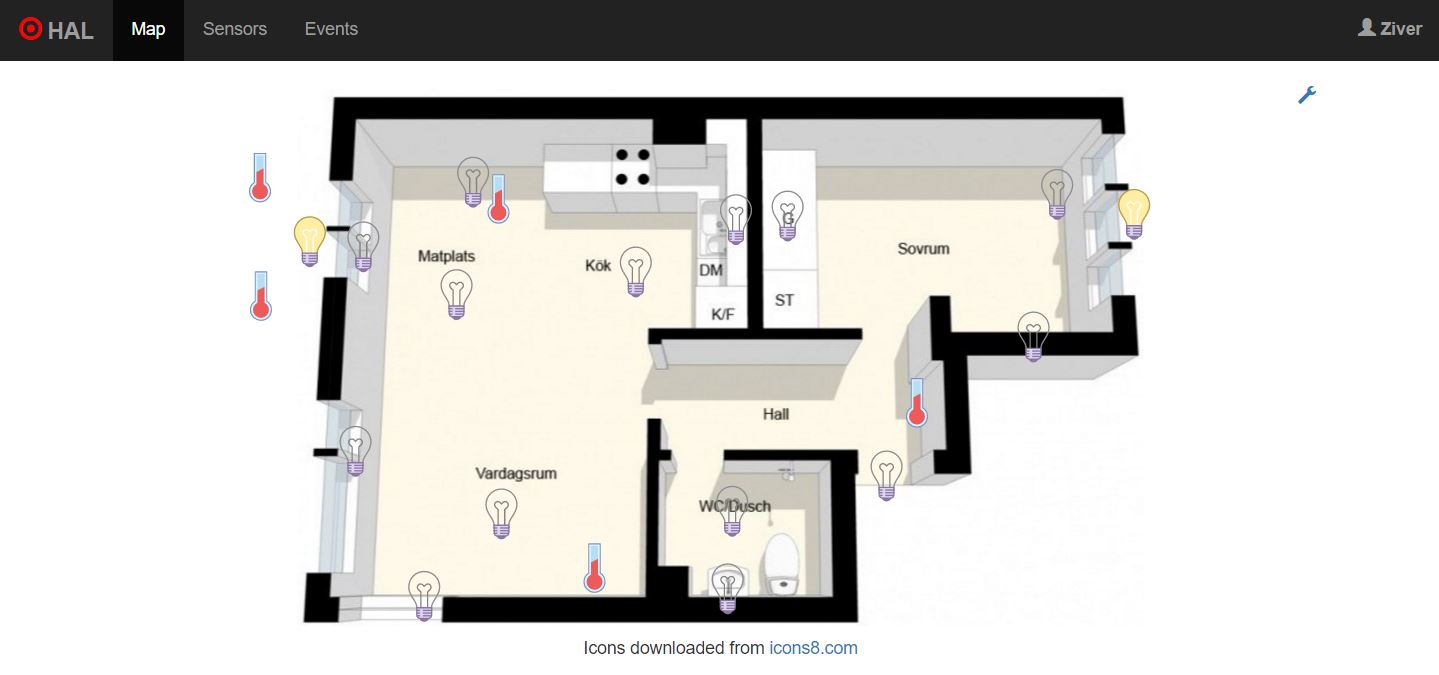
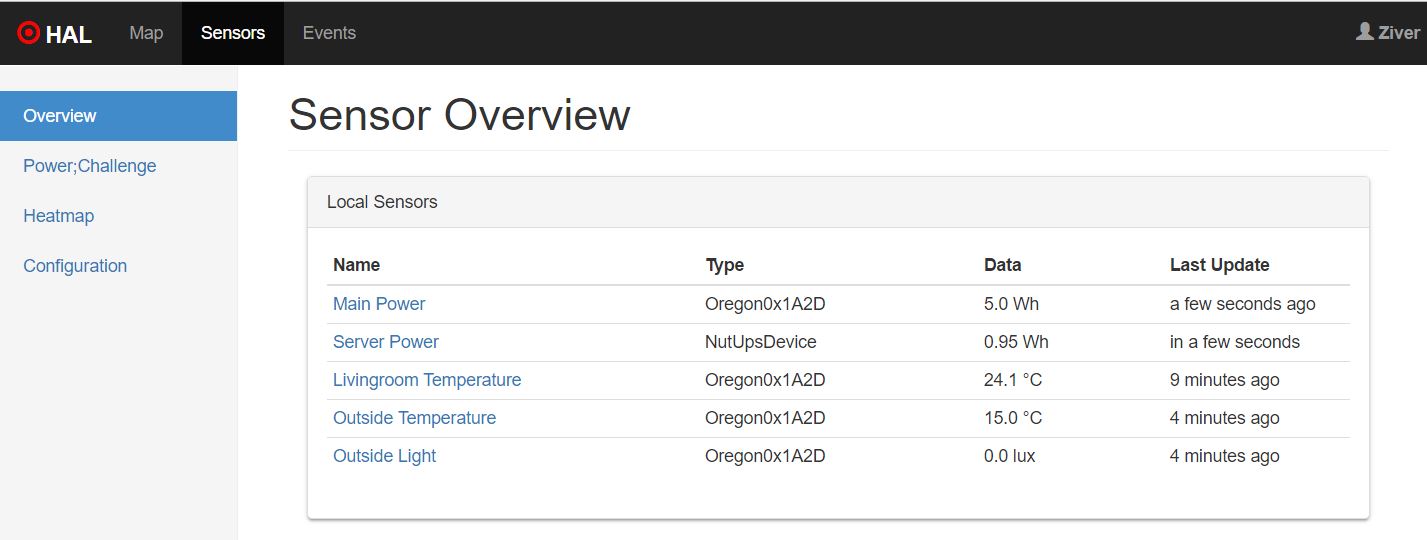
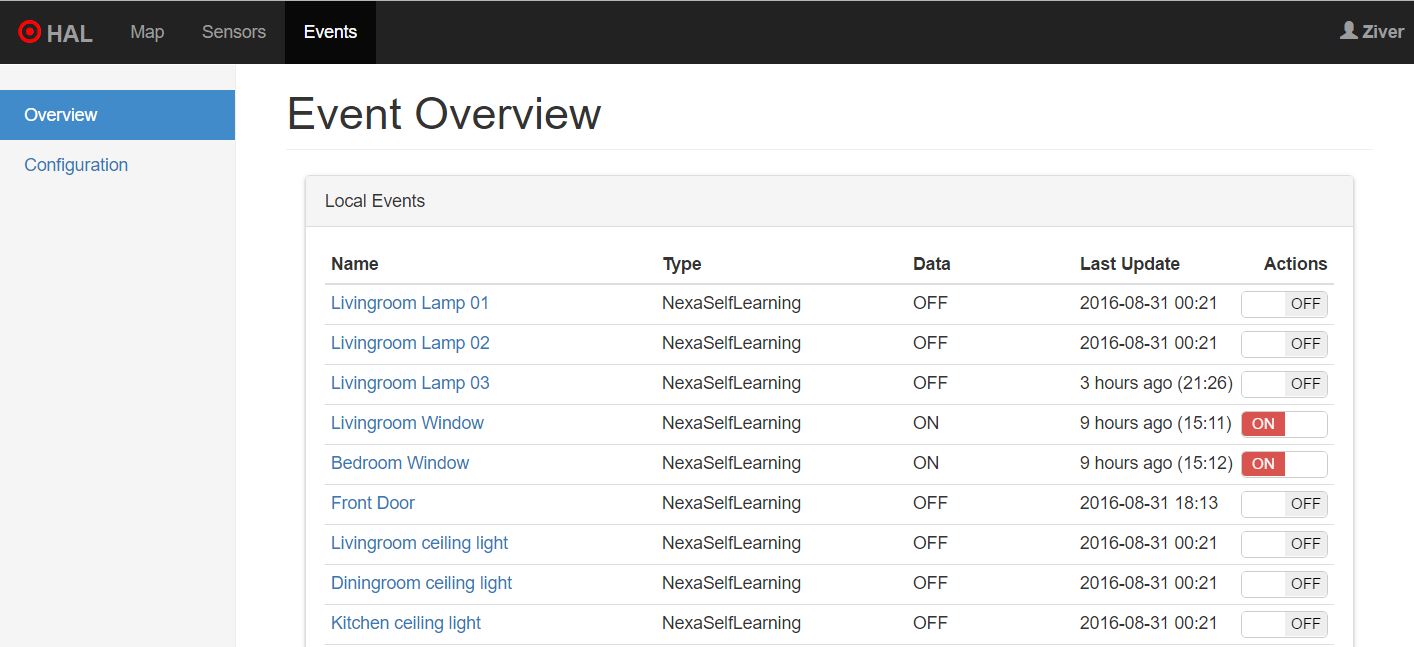
Installing
To run the Hal server you first need to clone the git repository and then run the ant command to build and run:
ant run
Check hal.conf.example for available configuration options.
Running the tests
The current test coverage is greatly lacking, but to run the available JUnit test-cases run:
ant test
Authors
- Daniel Collin
- Ziver Koc
License
This project is licensed under the MIT License - see the LICENSE.txt file for details
Acknowledgments
- Tellstick, for open-sourcing their code